In industrial production, copper and aluminum are two widely used metal materials. They frequently appear in mixed forms within recyclable materials such as scrap wiring,
automotive radiators, and electrical components.
The core of copper-aluminum separation lies in leveraging the differences in the physical or chemical properties of the two metals. Physical separation is currently the most
widely used and relatively environmentally friendly method; its operating principles are primarily based on the following points:
1. Density difference: Copper has a density of approximately 8.96 g/cm³, while aluminum has a density of about 2.70 g/cm³; there is a significant difference between the two.
Techniques such as gravity separation, centrifugal separation, or air separation can be used to separate the heavier copper particles from the lighter aluminum particles within
the crushed mixed material.
2. Differences in electrical conductivity and magnetic properties: Copper is a non-ferromagnetic metal with excellent electrical conductivity; aluminum is also non-ferromagnetic,
and while its conductivity is good, it is inferior to that of copper. Certain sorting technologies—such as eddy current separation—utilize the repulsive force generated by eddy
currents (induced in metal particles by an alternating magnetic field) to separate non-ferrous metals; because copper and aluminum differ in electrical conductivity, the forces
exerted on them vary, enabling further separation.
3. Other physical properties—such as color and ductility—are also utilized in auxiliary sorting (e.g., optical sorting).
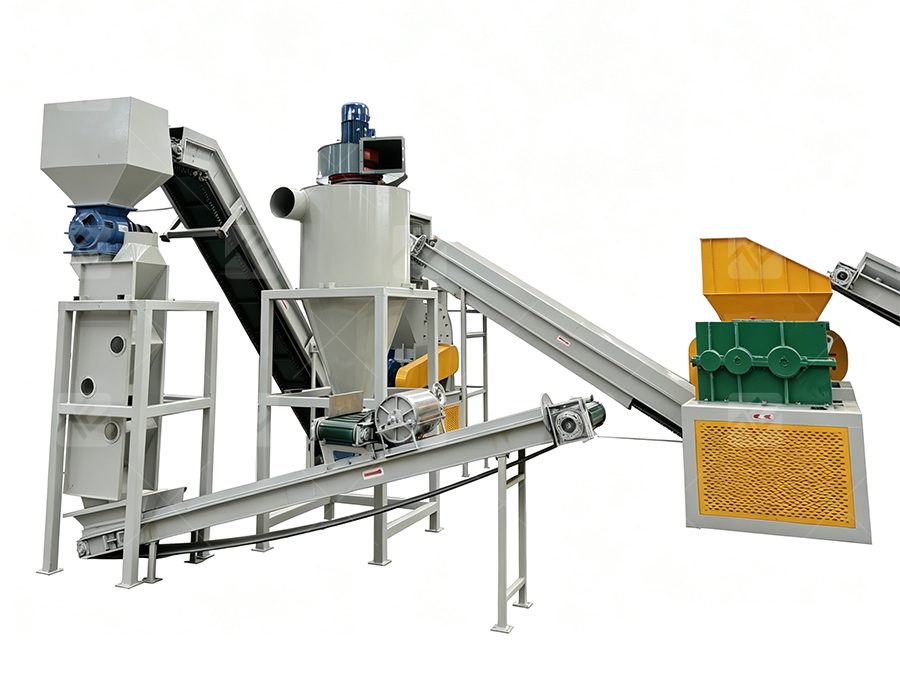
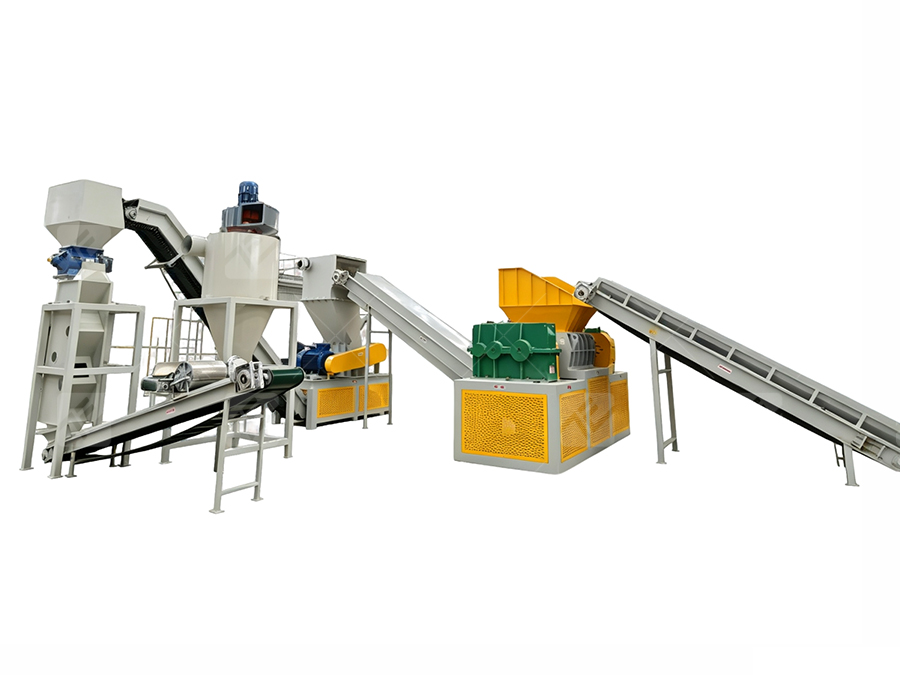
The main types of copper-aluminum separation equipment are as follows:
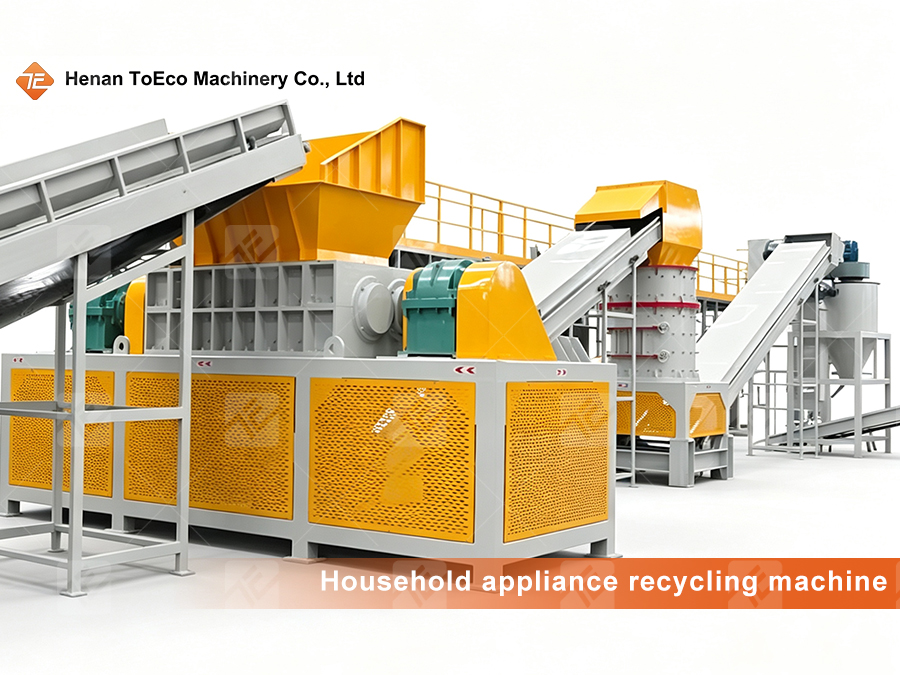
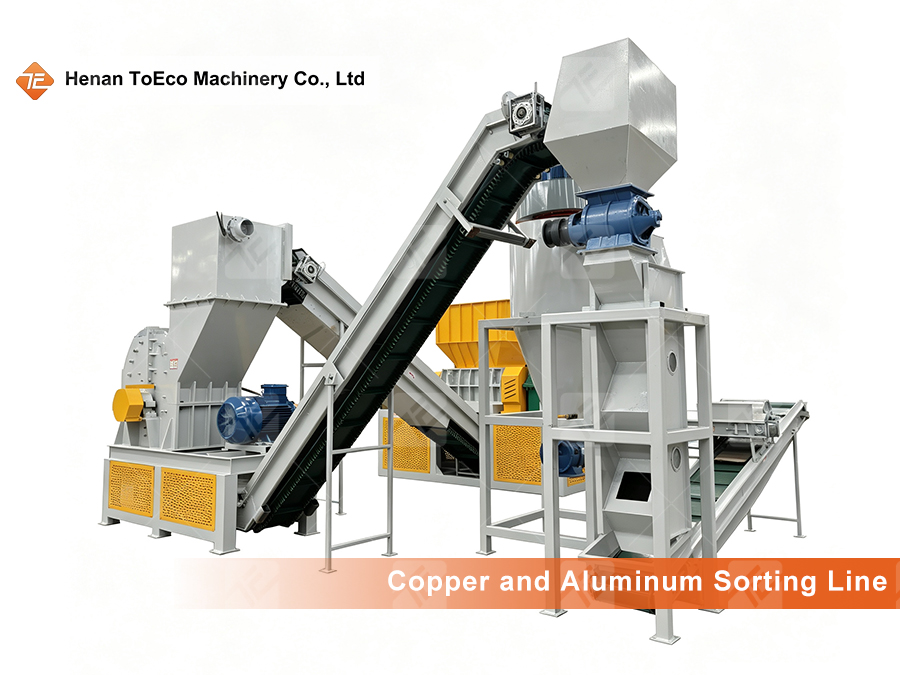
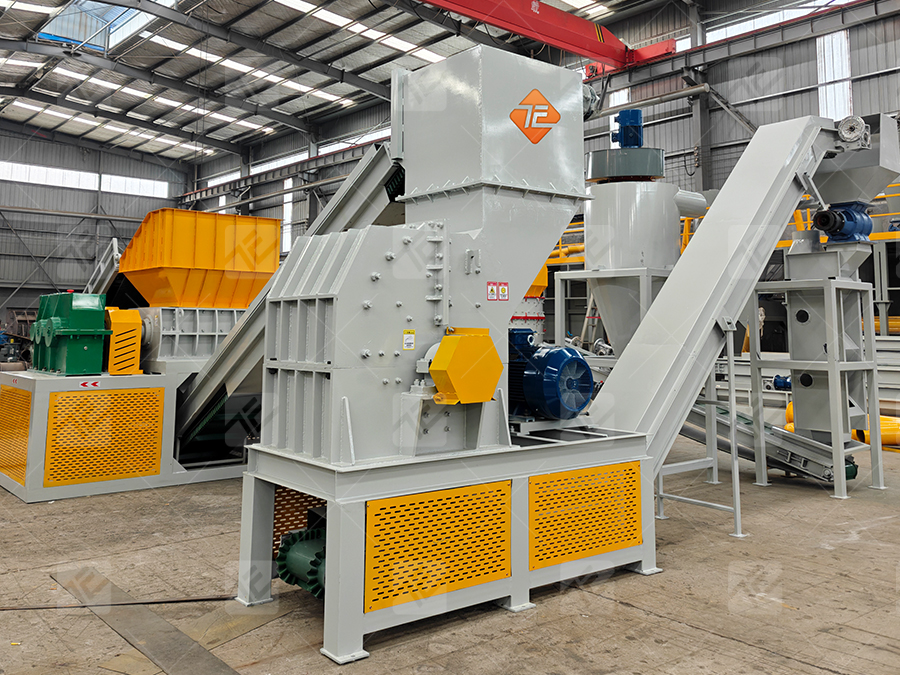
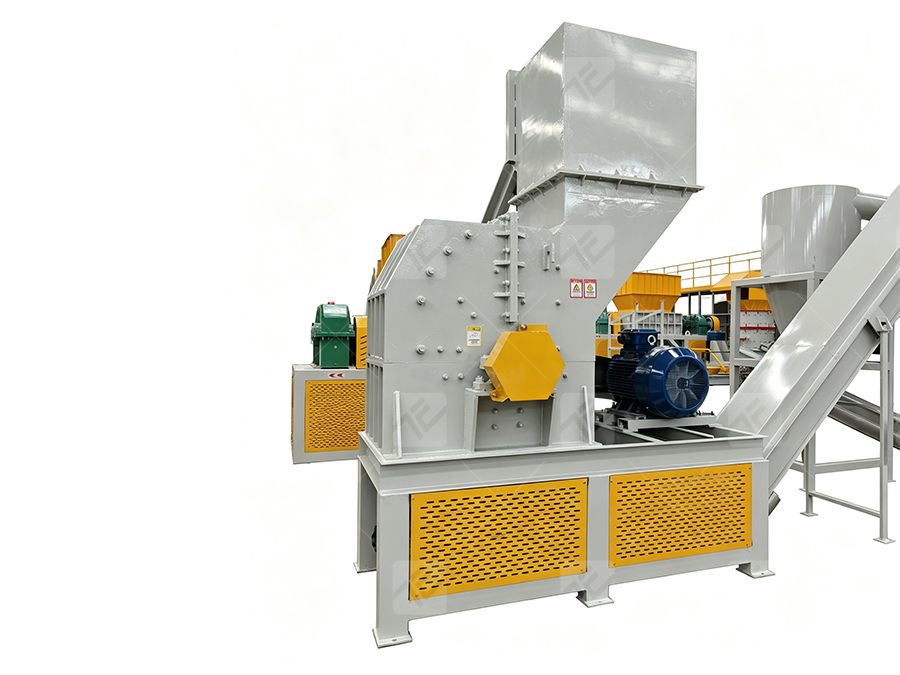
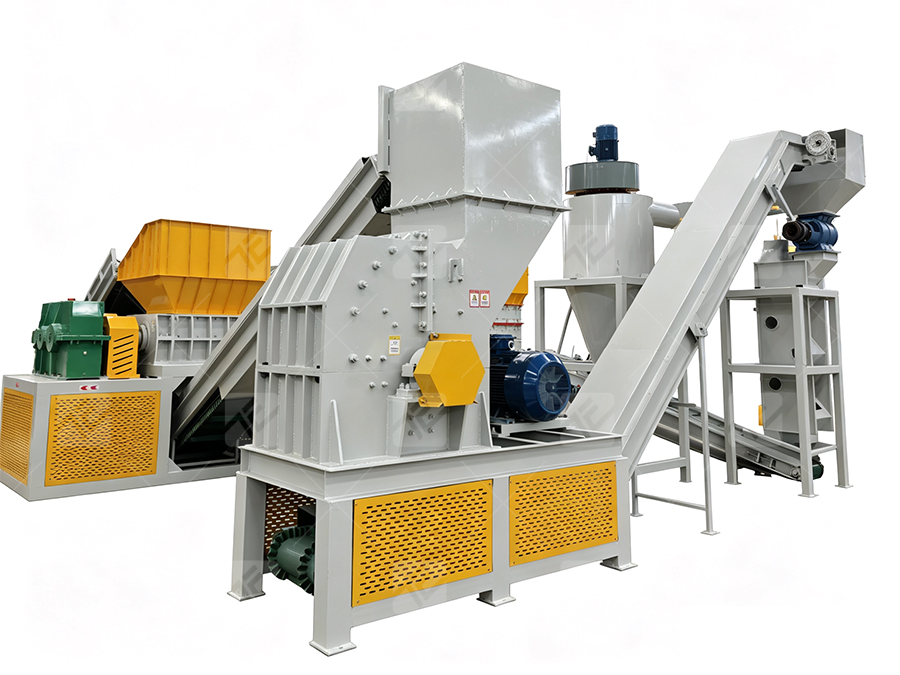
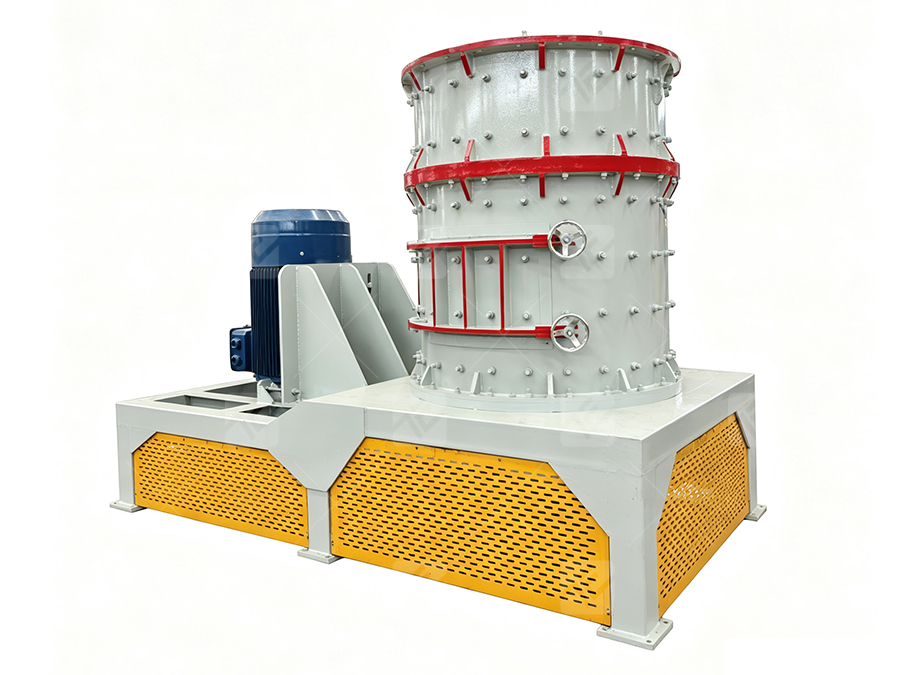
1. Crushing and shredding equipment: This is a critical stage in pre-processing. Materials such as scrap wires and radiators must first be reduced in size. Equipment used includes
dual-shaft shear shredders and hammer crushers; the objective is to liberate the composite structures of copper and aluminum, thereby preparing the material for subsequent
separation.
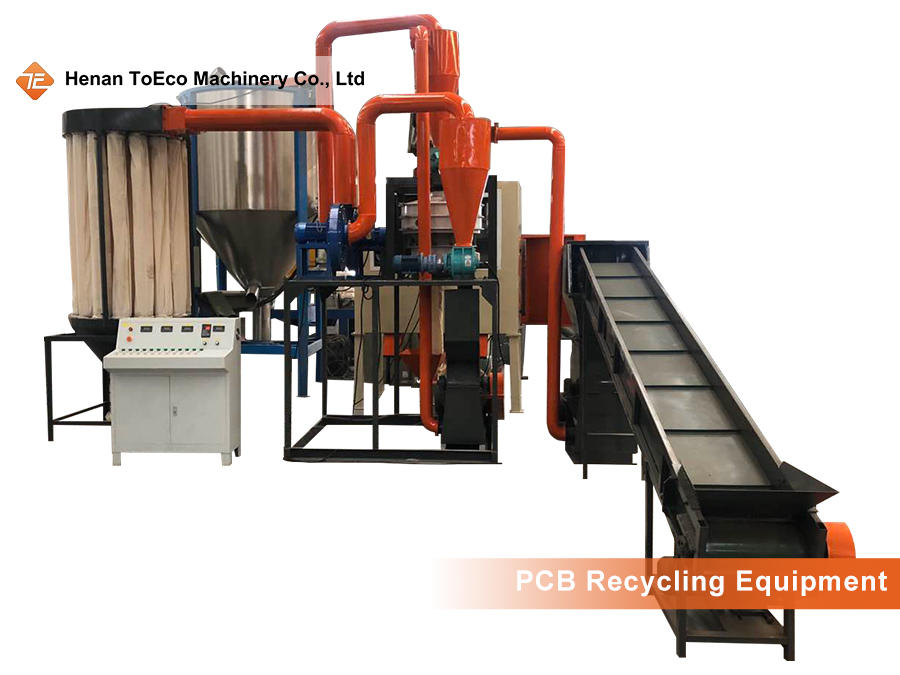
2. Air separator: Also known as an air jig or pneumatic separator. It places crushed material onto a vibrating screen deck subjected to a specific airflow pattern; by exploiting
differences in weight and surface area between copper and aluminum particles—which cause them to follow distinct trajectories under the influence of the airflow—separation is
achieved. This method is effective for the preliminary separation of lightweight materials (such as plastic casings) from metals, as well as for the coarse separation of copper and
aluminum.
3. Eddy Current Separator: This is a high-efficiency device for separating non-ferrous metals (such as copper and aluminum). Its core component is a high-speed rotating
permanent magnet rotor that generates an alternating magnetic field. When conductive metal particles pass through this field, eddy currents are induced within them; these
currents generate a secondary magnetic field opposing the primary one, creating a repulsive force that ejects the particles. Because copper and aluminum have different electrical
conductivities, their ejection distances and trajectories differ, allowing for separation through the use of appropriately positioned splitter plates. The equipment has specific
requirements regarding material particle size and shape and is typically used for fine separation following a shredding process.
4. Electrostatic separator: This machine separates materials by exploiting differences in the charging characteristics of copper and aluminum within a high-voltage electric field.
As the material passes through the electric field, the different metals acquire varying electrical charges due to their differing conductivities; consequently, they travel along distinct
paths under the combined influence of electrostatic and mechanical forces, thereby achieving separation. While this method offers high separation precision, it imposes strict
requirements regarding the dryness and surface cleanliness of the material.
5. Gravity separation equipment: Examples include shaking tables and jigs, which primarily separate materials based on the density difference between copper and aluminum. In
a water or air medium, particles of varying densities form layers under the influence of vibration or pulsating water flow and are collected separately. This type of equipment is
effective for processing materials with larger particle sizes.
6. Optical sorting equipment: This technology utilizes high-resolution cameras to identify differences in color and luster between copper and aluminum particles within crushed
material, employing high-speed air nozzles to blow the identified metal particles into separate collection channels. It is an advanced sorting method that requires a high degree of
material liberation from the preceding crushing stage.
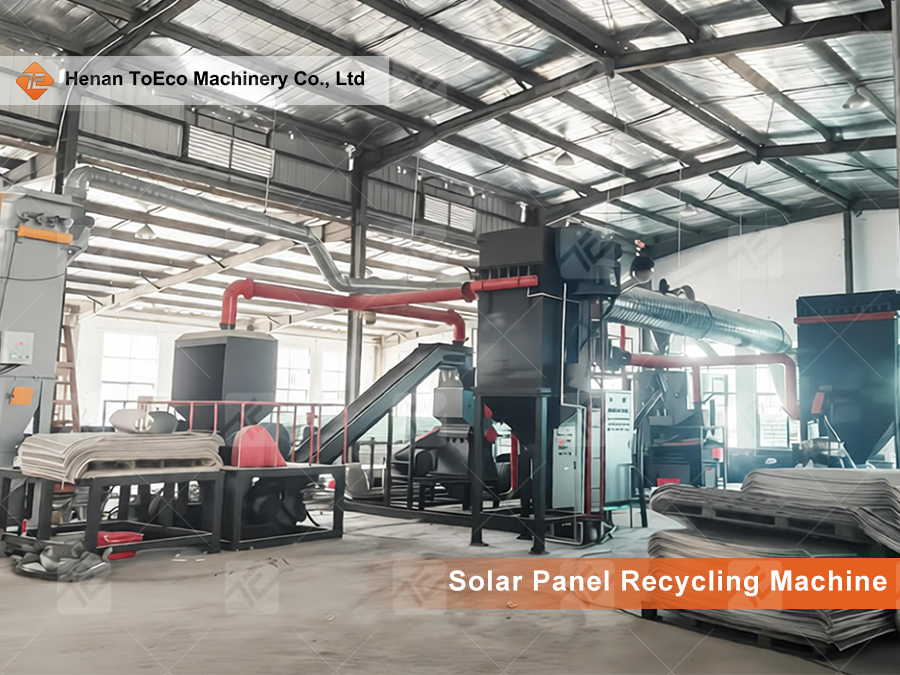
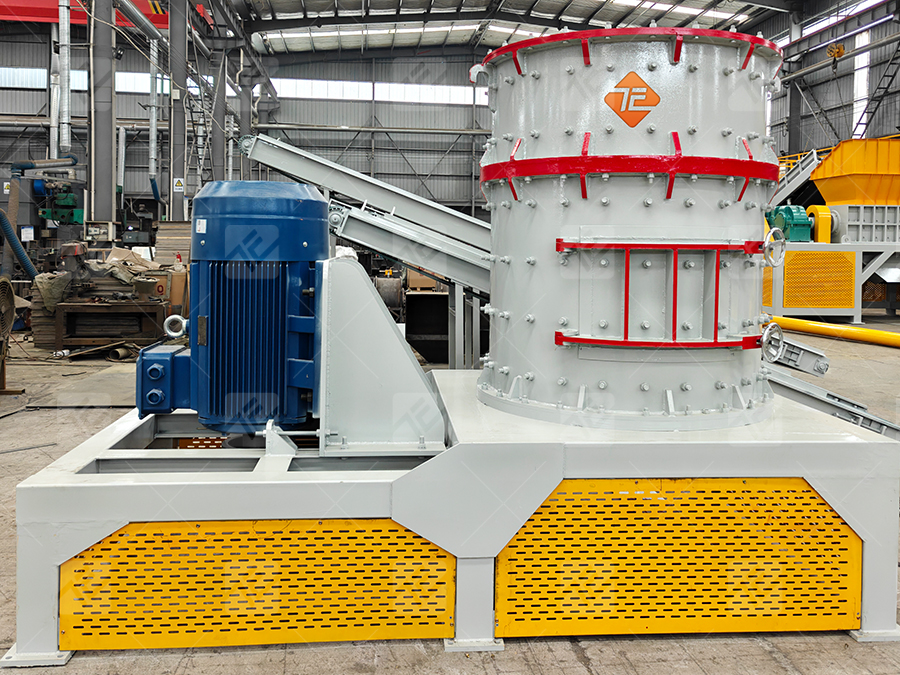
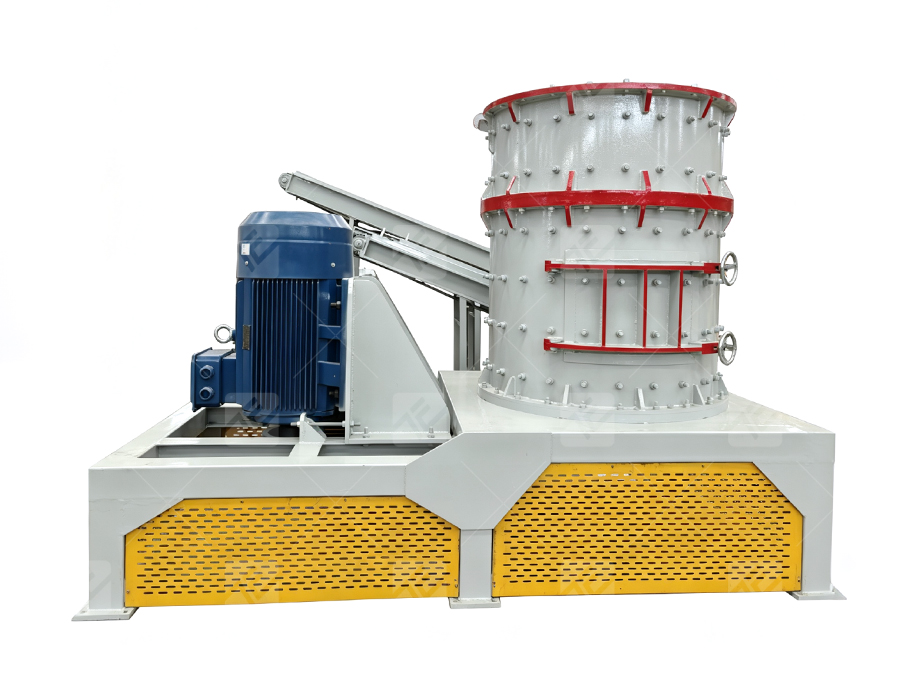
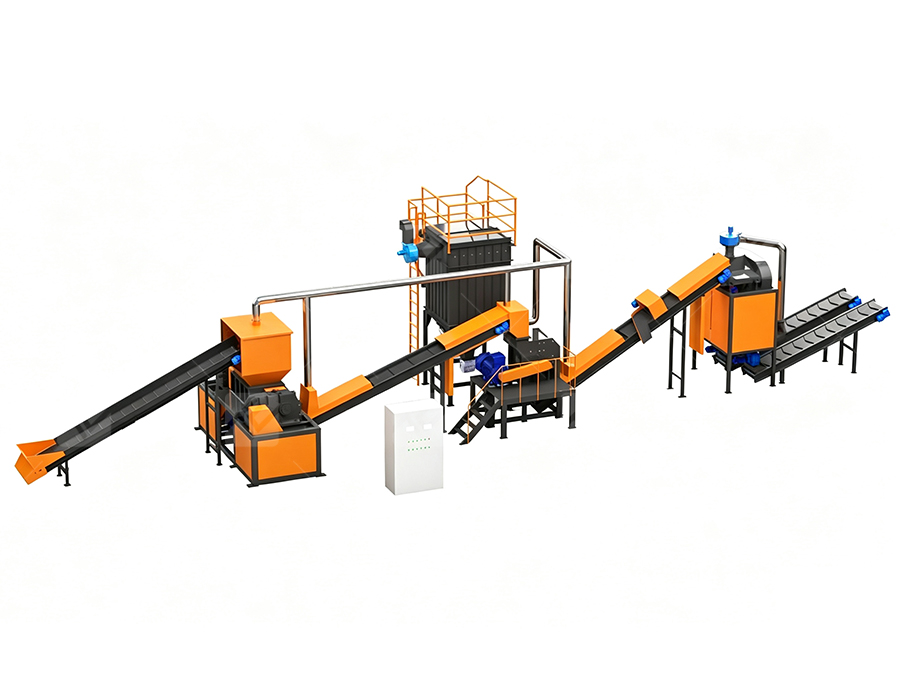
In actual production lines, these pieces of equipment are rarely used in isolation; instead, they are combined to form a complete crushing and sorting production line, configured
according to material characteristics—such as the tightness of the copper-aluminum bond, impurity content, and target product purity requirements.
Main application areas of the equipment
1. Recycling of waste wires and cables: This is the primary application scenario. It encompasses various types of power cables, communication cables, and household appliance
wiring; through crushing and sorting, pure copper and aluminum granules are obtained.
2. Recycling of used automotive components: Items such as car radiators (water tanks), starters, alternators, and air conditioning condensers, which contain significant amounts
of copper tubing and aluminum foil.
3. Recycling of waste electrical and electronic equipment: cooling systems from refrigerators and air conditioners, scrap electric motors (containing copper windings and
aluminum housings), and various electronic components.
4. Treatment of other industrial waste: such as offcuts from aluminum alloy door and window manufacturing that may contain mixed copper components, metal waste residues
from specific industries, etc.
Through processing with this equipment, mixed copper-aluminum scrap is transformed into high-purity, single-metal feedstocks suitable for re-entry into metallurgical furnaces;
this significantly enhances the value of resource recycling and reduces reliance on virgin mineral resources.
TOECO

Copyright © Henan Toeco Machlnery Co., Ltd. All Rights Reserved 非商用版本